
Airport Sweeping in Austin, TX
and the Central Texas Region
On an airfield, a stray bolt or a handful of gravel is foreign object debris, and removing it is among the least expensive ways to prevent aircraft damage. Moore Clean provides airport sweeping for operations and facilities teams across the Austin region, covering FBO ramps, aprons, parking structures, and landside roads with regenerative-air sweepers and documented service.
At a glance
Clean surface, protected aircraft
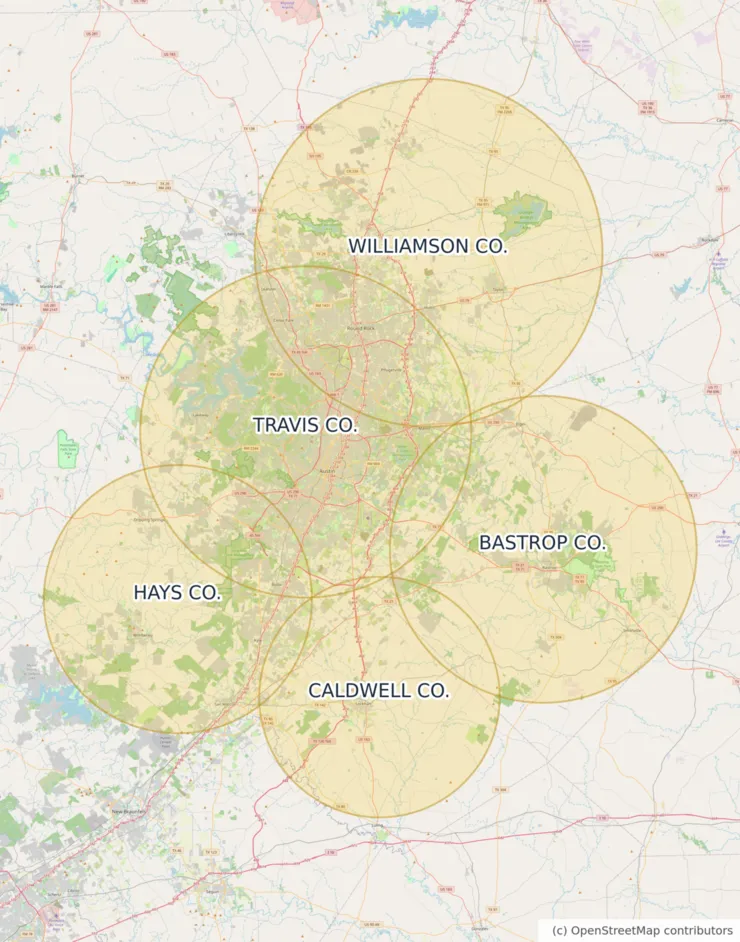
Moore Clean is available for airport sweeping across the Austin region, serving FBO ramps, corporate hangar rows, cargo aprons, and the parking structures and access roads on the landside. We are available for airport cleanup services spanning Austin-Bergstrom International’s landside zones and the general aviation fields around the metro, including Austin Executive north of Pflugerville, Georgetown Executive, Taylor Municipal, and San Marcos Regional, with crews dispatched from our Round Rock facility.
Most foreign object debris is ordinary material in the wrong place: fasteners shed by ground equipment, fragments of spalled concrete, and trash carried by the wind. A regenerative-air sweeper removes it from the pavement by vacuum and does not relocate it, which is why this class of machine appears in FAA FOD program guidance for pavement cleaning. The same sweepers maintain the landside, where curbfront lanes, parking structures, remote lots, and rental car areas carry constant commercial traffic.
Austin’s aviation footprint keeps growing, with more operations at Austin-Bergstrom and steady corporate and training traffic at the fields that ring the metro. More movements mean more pavement in service, more vehicles on access roads, and more debris finding its way onto ramps, aprons, and curb lines.
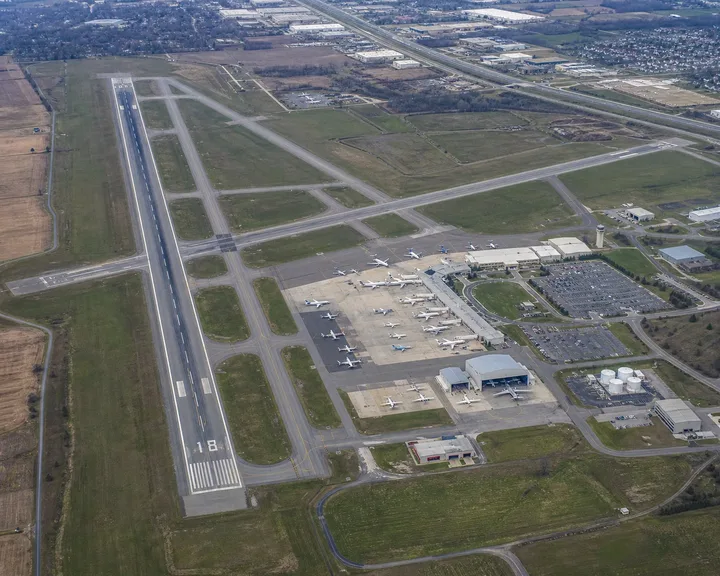
Our routes
Airfields around Austin and the Central Texas region swept between operations
What’s included
Airside and landside, on your ops windows
We work with airport operations staff, FBO and cargo tenants, parking and rental car operators, and general contractors building on airport property. Crews follow the movement schedule, the escort rules, and the FOD program of the facility:
- Terminal curbfront, roadways & parking structures on the landside
- Ramp, apron & gate areas swept in gaps between movements
- Taxiways & shoulders, scheduled through the operations office
- Rental car facilities, employee lots & remote parking
- Cargo aprons, FBO ramps & their access roads
- Haul routes & trackout on airport construction sites
- FOD sweeps with magnet bars ahead of pavement returning to service
- GPS-logged service records that support Part 139 self-inspections
No single sweeper suits every airport surface, so equipment is assigned by site after a review of the pavement, the debris, and the clearances involved. Our fleet includes Schwarze A7 Tornado, A4 Storm, and TYMCO 435 class regenerative-air sweepers, M6 Avalanche mechanical broom trucks for construction trackout, compact machines for gate areas and ramp corners, and magnet attachments for ferrous debris. Facilities that combine airside and landside service generally schedule parking lot sweeping for surface lots during the same visit.
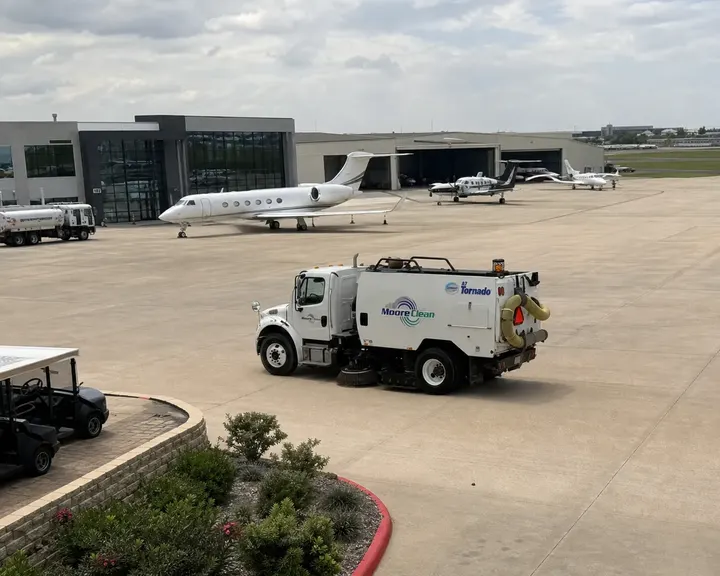
Why it matters
FOD control as a regulatory requirement across Austin and the Central Texas region
Construction is the main source of foreign object debris at a growing airport, and the Austin region has airfield and landside projects under way almost continuously. 14 CFR §139.305 requires a certificated airport to remove debris and foreign objects from paved areas promptly and as completely as practicable, and FAA AC 150/5210-24A treats construction activity as a primary FOD source within its program of prevention, detection, removal, and evaluation. Sweeping haul routes and new pavement on a schedule addresses removal, and the dated logs support evaluation.
The same growth reaches the general aviation fields around the city, where hangar construction and ramp expansion put trucks on pavement shared with aircraft. Part 139 does not apply to most of those fields or to private ramps, but debris damages a turbine engine or a propeller in the same way anywhere, so they receive the same sweeping method and documentation as a certificated airport.
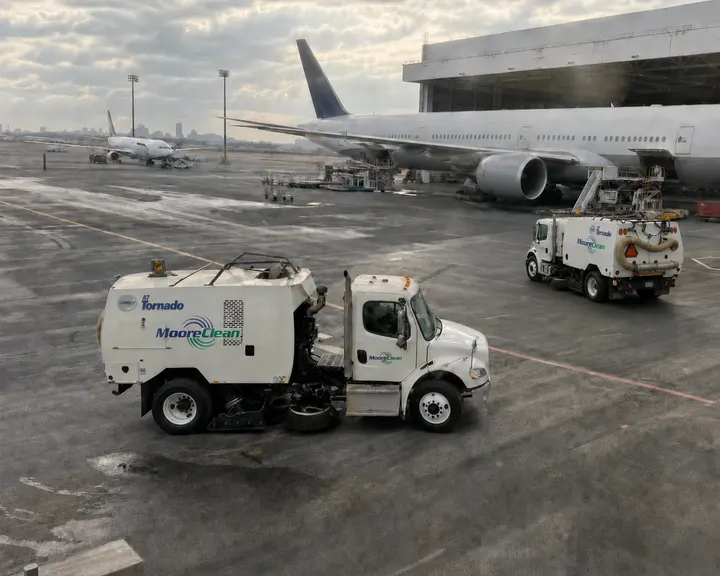
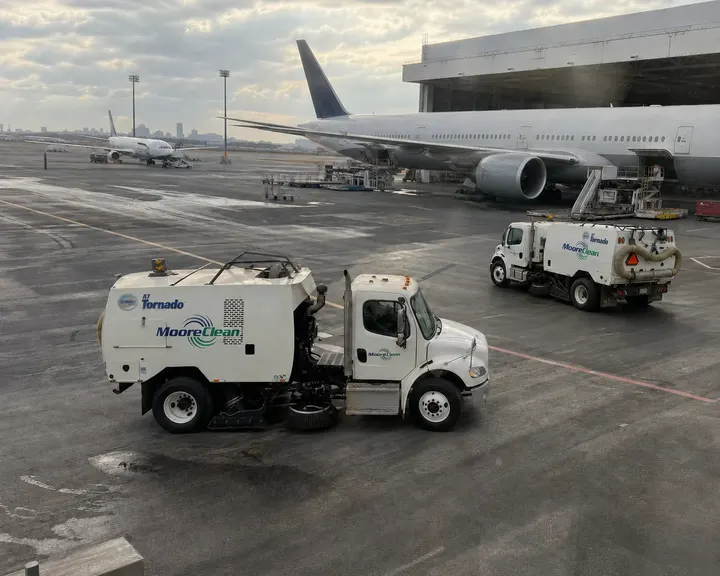
Regenerative-air pickupAir-blast and vacuum pickup carries metal, grit, and fines to the hopper, not to the edge of the ramp.
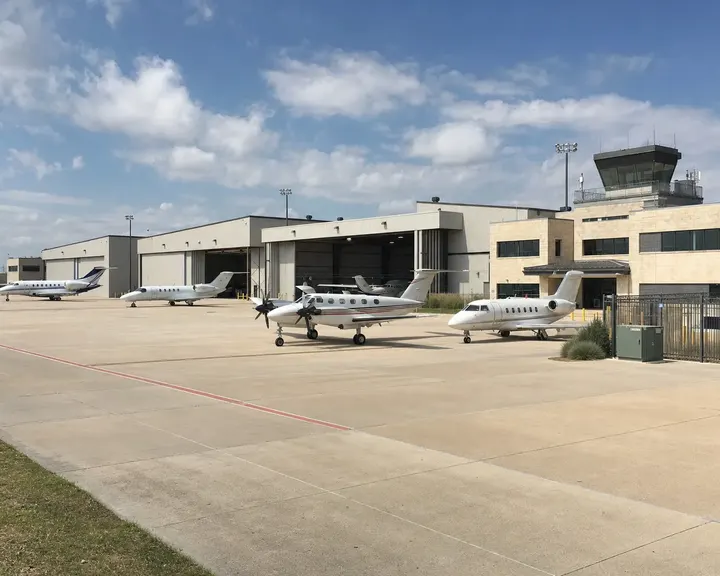
On the airfieldRecurring sweeps for FBO ramps, aprons, and general aviation fields throughout the Austin region.
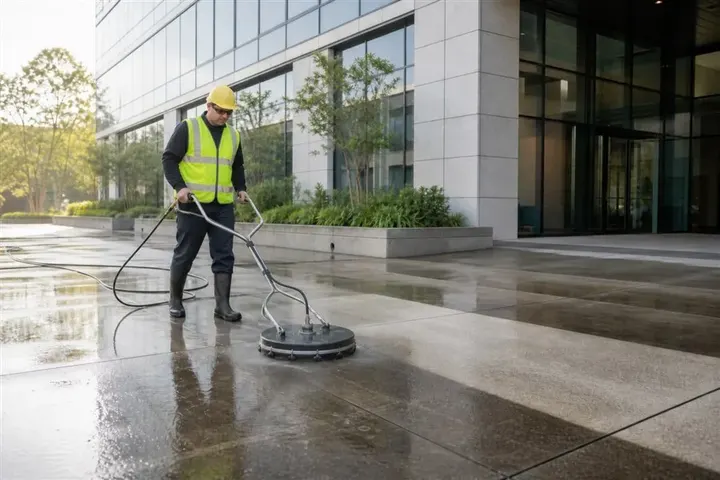
Pressure WashingWhere sweeping is not enough, pressure washing treats gum, stains, and grime and recovers the wash water.
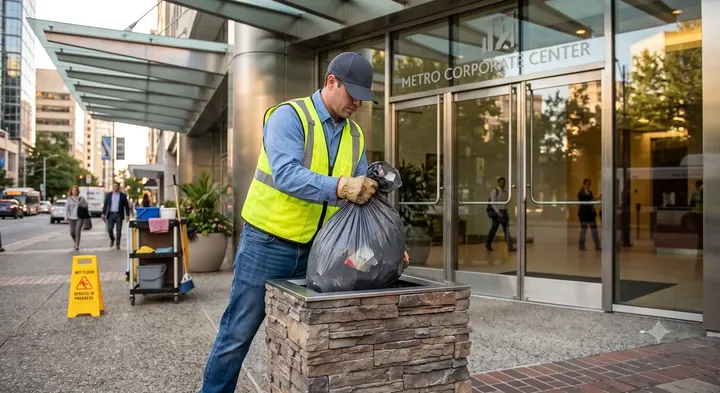
Porter ServicePorters maintain curbfronts, entrances, and shared areas in the periods between sweeps.
Standards
Swept and documented to our agreed standards
Where we sweep
Airport sweeping across Austin and the Central Texas region
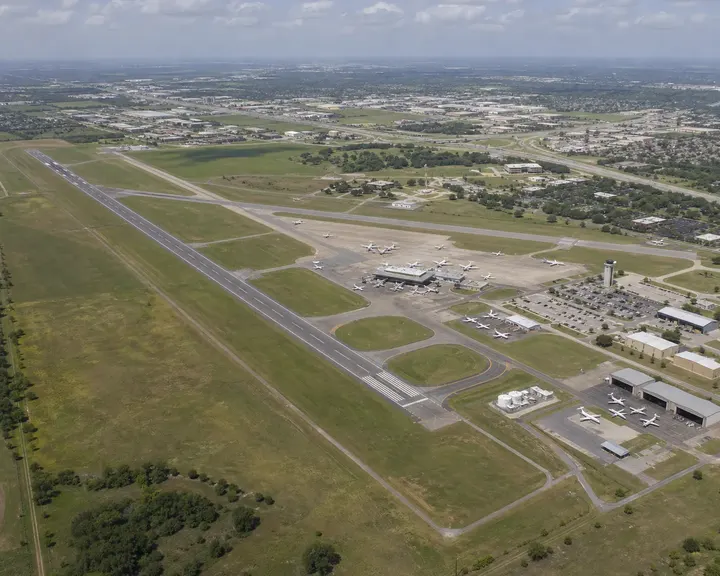
From the landside zones at Austin-Bergstrom through the corporate and training fields in Pflugerville, Georgetown, Taylor, and San Marcos, plus the industrial airparks between them, routes cover commercial-service, corporate, and general aviation pavement on scheduled visits. On airport construction work, crews sweep haul routes and entrances and complete a FOD sweep before new pavement returns to service, while landside routes keep curbfront lanes, parking structures, and remote lots presentable for the traveling public.
Moore Clean | Austin & Surrounding Areas
6801 CR 110, Round Rock, TX 78665 · (512) 775-1918 · 24/7 Service available
Deep-clean option
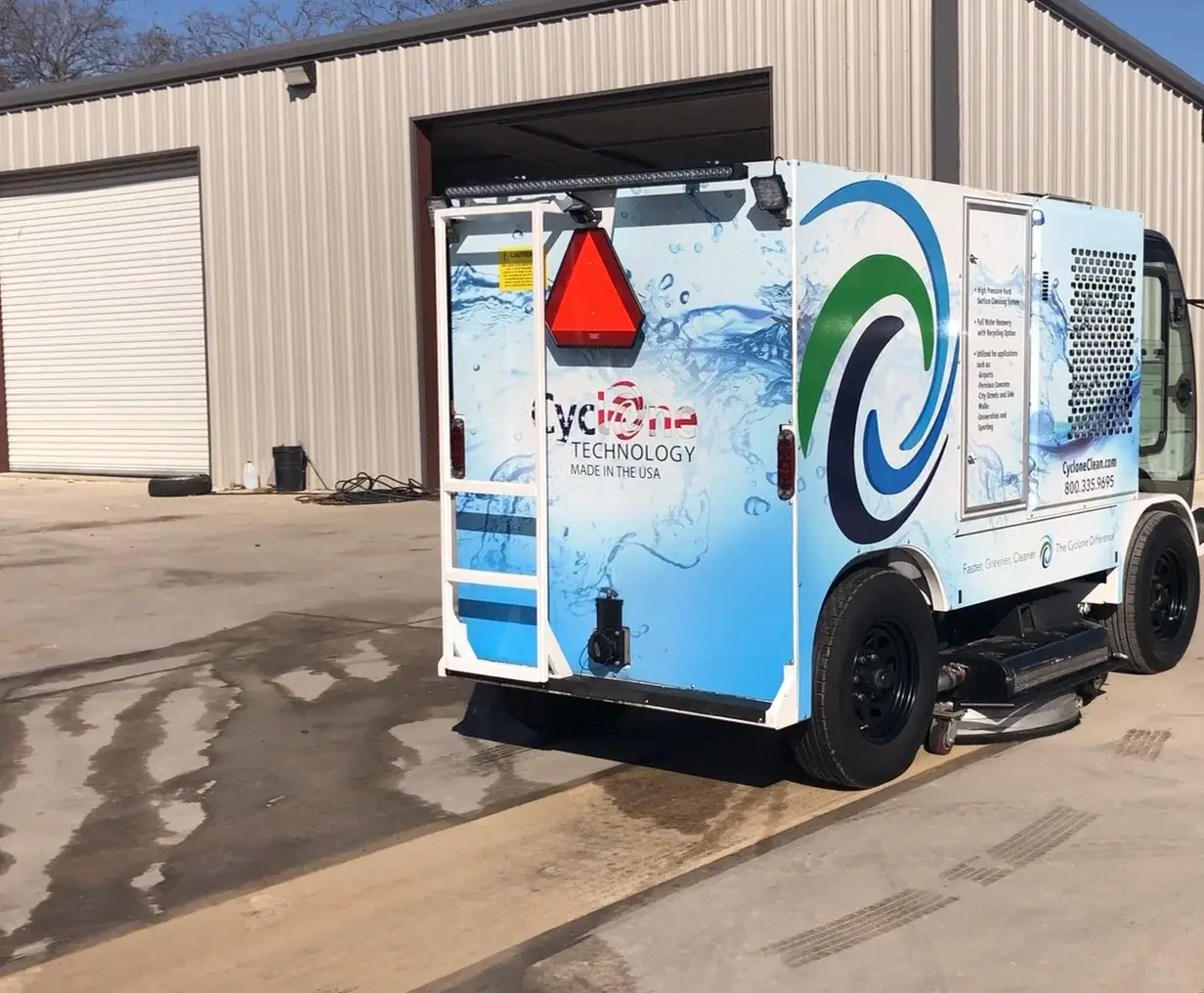
Special Projects: Cyclone deep-clean surface system
Equipment option for special projects: curbfront lanes collect gum, drips, and tire film that sweeping does not remove. For a periodic deep clean we rent a Cyclone Technology surface system. Its enclosed head washes and recovers the water in the same pass, in line with EPA stormwater practices, and it covers up to 20,000 square feet an hour, so a lane closure stays short.
Get started
Get an airport sweeping quote for your facility in Austin and the Central Texas region
Tell us which airport, which areas are in scope (apron, taxiway, landside, or a construction project), and what access rules apply. We will reply with a proposed schedule and pricing.
Get More Information
Select a service and fill out form
"*" indicates required fields
Questions
Austin airport sweeping FAQ
Are your crews able to work on the airside?
Yes. Our crews meet airport insurance requirements, obtain badges or work under escort according to the access rules of the field, and clear every movement with operations. Work is scheduled inside the operating windows provided, overnight when required.
Which Austin-area airports do you serve?
We are available for the metro’s commercial, corporate, and general aviation fields, from Austin-Bergstrom’s landside and cargo zones to FBO ramps and hangar rows in Pflugerville, Georgetown, Taylor, and San Marcos. Fields and airparks not named here are welcome to inquire. Coverage extends well beyond these examples, and route scheduling is flexible for new facilities.
What records do you provide for Part 139 inspections?
A dated log with GPS tracking is produced for every sweep and can be added to pavement maintenance records. If the airport FOD program specifies a reporting format, send it and we will work to that format.
What hours do airport sweeping routes run?
Scheduling starts with airport operations. Ramp and apron sweeping is normally placed overnight or in gaps between banks of flights, when escorts are available and pavement is open. Landside work, including curbfront, parking structures, and remote lots, can often run during the day, and construction-related sweeps are tied to the turnover date of the contractor.
Parking Lot Sweeping · Street Sweeping · Construction Site Cleanup · Pressure Washing · Garage Sweeping
Porter Service · Window Cleaning · Graffiti Removal · Hauling Debris · Exterior Handyman · Bundled Services