
Airport Sweeping in Houston, TX
and the Gulf Coast Region
Debris on airport pavement is a safety issue before it is a housekeeping issue, because foreign object debris is among the more preventable causes of aircraft damage. Moore Clean supports airport operations teams across Greater Houston with sweeping for cargo aprons, FBO ramps, parking structures, and landside roads, performed with regenerative-air equipment and recorded for the file.
At a glance
Clean surface, protected aircraft
Moore Clean is available for airport sweeping across Greater Houston, serving cargo aprons, FBO ramps, hangar rows, and the parking structures and access roads on the landside. We are available for airport cleanup services spanning the landside zones at George Bush Intercontinental and William P. Hobby, the corporate fields at Sugar Land Regional and David Wayne Hooks Memorial, and Conroe-North Houston Regional, with crews dispatched from our Fisher Street facility.
Foreign object debris tends to be small and easy to overlook: a bolt on a ramp, a piece of spalled concrete at a gate, or trash blown against a fence line. A regenerative-air sweeper vacuums it from the pavement and holds it in the hopper. Sweeping also serves as a stormwater control, because silt and debris collected from cargo areas, terminal roadways, and employee and rental car lots would otherwise wash into the drains that serve airfield pavement.
Houston weather does not help pavement stay clean. Gulf storms wash silt, vegetation, and site debris onto aprons and access roads, and the region’s cargo and energy-sector traffic keeps heavy vehicles moving across airfield pavement year round. Scheduled sweeps put that material in a hopper before it reaches a tire path or an intake.
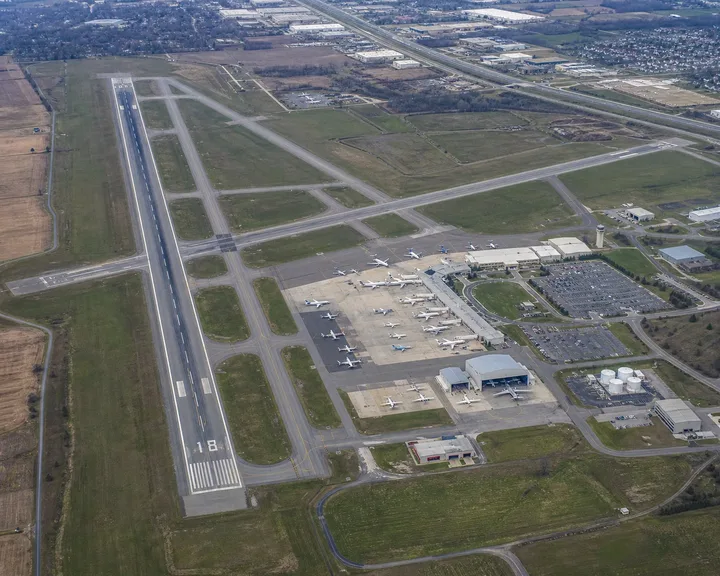
Our routes
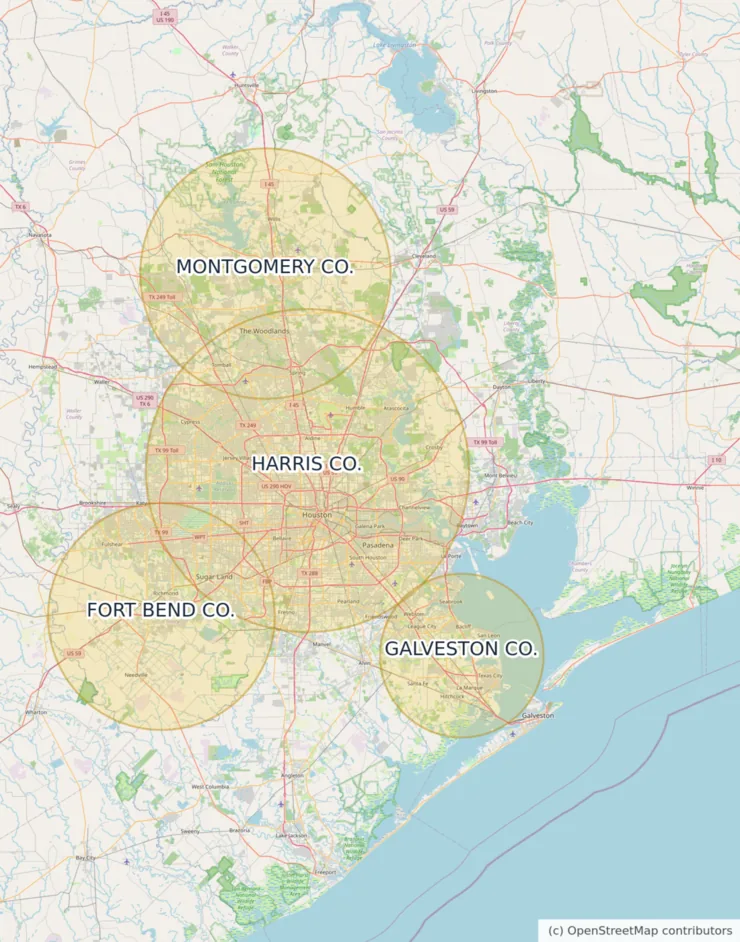
Airfields across Houston and the Gulf Coast region swept clear from cargo apron to curbfront
What’s included
Airside and landside, on your ops windows
Service is arranged with the airport operations team, or with the FBO, cargo tenant, parking or rental car operator, or general contractor responsible for the pavement, and it follows the movement schedule, escort requirements, and FOD program in force:
- Cargo aprons, ramps & gate areas swept around flight activity
- Taxiway & shoulder passes cleared with ops in advance
- Landside roadways, terminal curbs & garage decks
- Remote, employee & rental car parking lots
- FBO & cargo access roads, including storm debris cleanup
- Trackout control & haul-road sweeping for airport construction
- Magnetic sweeping & final FOD sweeps on new or repaired pavement
- Visit-by-visit logs kept in a format suited to Part 139 files
Sweepers are selected for the surface to be cleaned and the debris expected on it. Regenerative-air units in the Schwarze A7 Tornado, A4 Storm, and TYMCO 435 class handle aprons, roadways, and lots, M6 Avalanche broom trucks handle storm debris and construction trackout, compact sweepers reach gate areas and ramp corners, and magnet bars collect metal. When airside and landside service are combined, parking lot sweeping for employee and remote lots is usually scheduled with it.
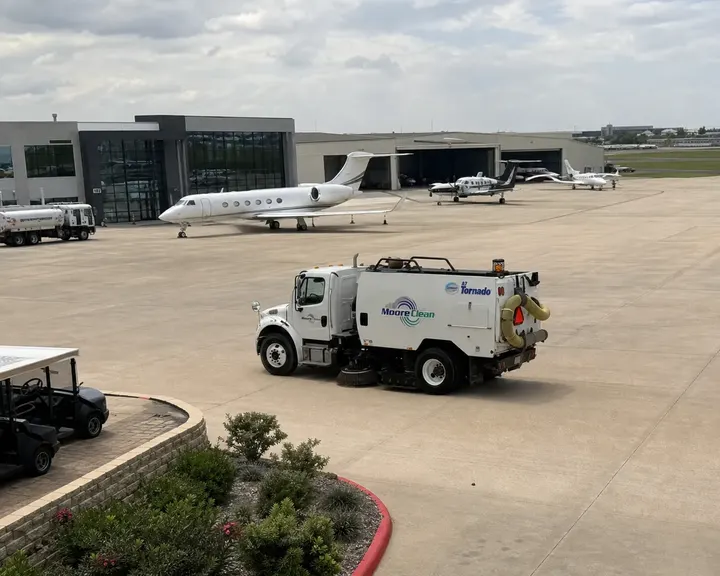
Why it matters
FOD control as a regulatory requirement across Houston and the Gulf Coast region
At a cargo and hub airport, most foreign object debris comes from the ground: hardware shed by tugs, loaders, and trucks, packaging from cargo operations, and whatever a Gulf storm leaves on the pavement. Keeping operating areas free of it is a condition of a Part 139 certificate under 14 CFR §139.305, and FAA AC 150/5210-24A sets out a FOD management program of prevention, detection, removal, and evaluation. Scheduled sweeping performs the removal element in a form the airport can document.
Reliever airports, general aviation fields, and private ramps are generally outside Part 139, although debris causes the same damage to engines, tires, and propellers there. After a Gulf storm the need is often greatest at those smaller fields, so we hold them to the same sweeping and record-keeping standard.
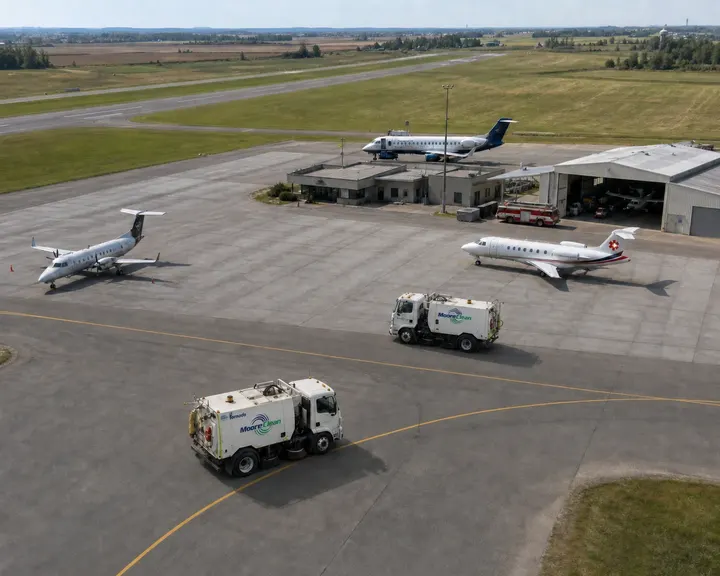
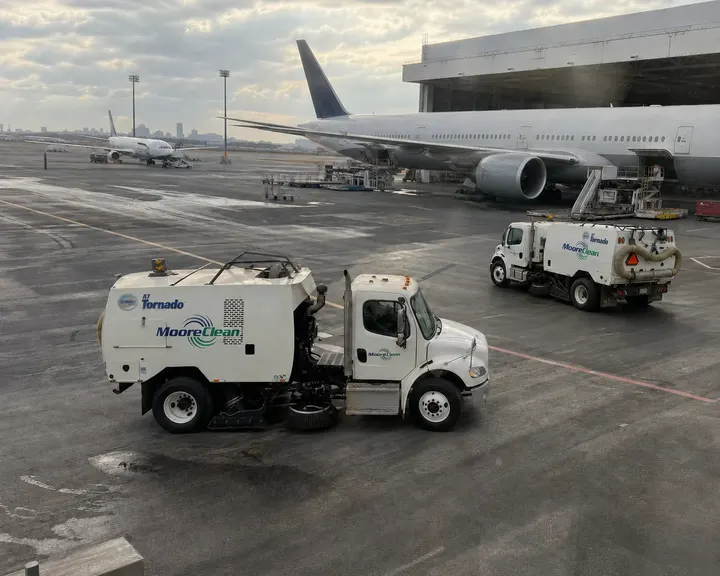
Regenerative-air pickupRegenerative-air recovery removes metal, silt, and fines from the pavement and retains them in the hopper.
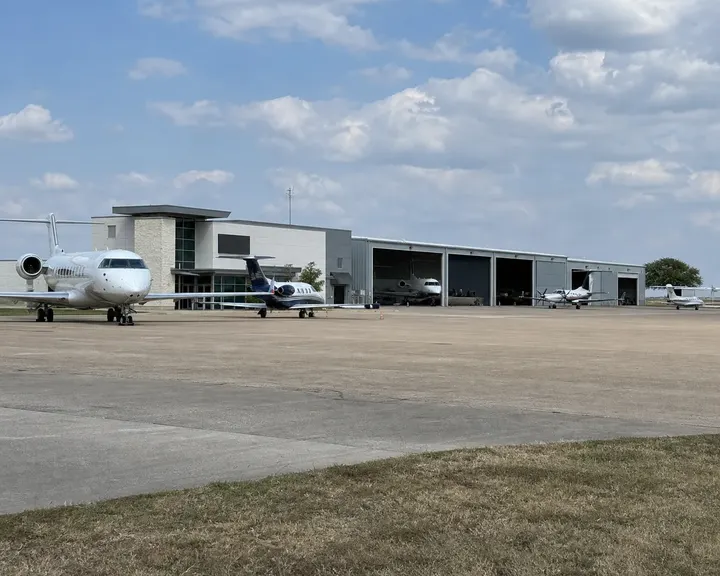
On the airfieldRoute sweeping for cargo aprons, FBO ramps, and general aviation fields across Greater Houston.
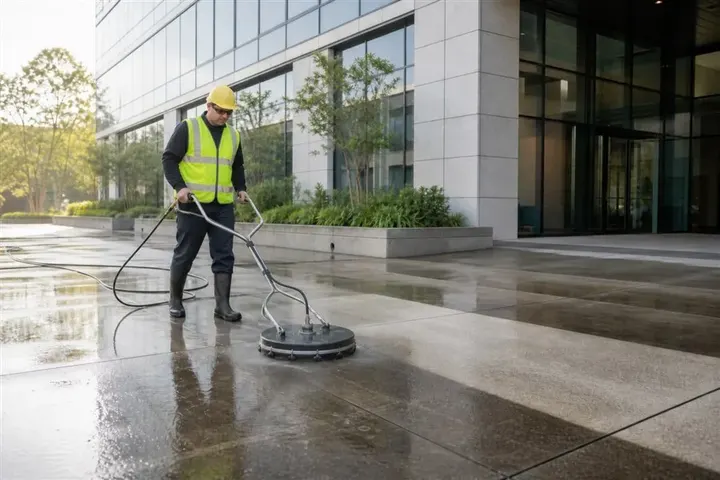
Pressure WashingPressure washing addresses gum, stains, and humidity film that a sweeper cannot lift, with full wash-water recovery.
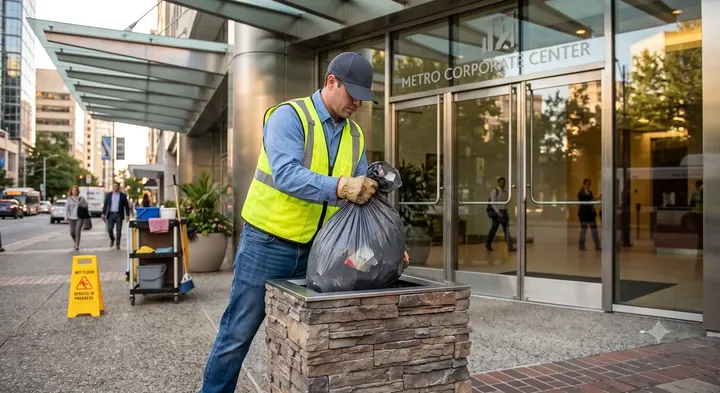
Porter ServiceDay porter service covers curbfronts, entrances, and common areas on the days between sweeps.
Standards
Swept and documented to our agreed standards
Where we sweep
Airport sweeping across Houston and the Gulf Coast region
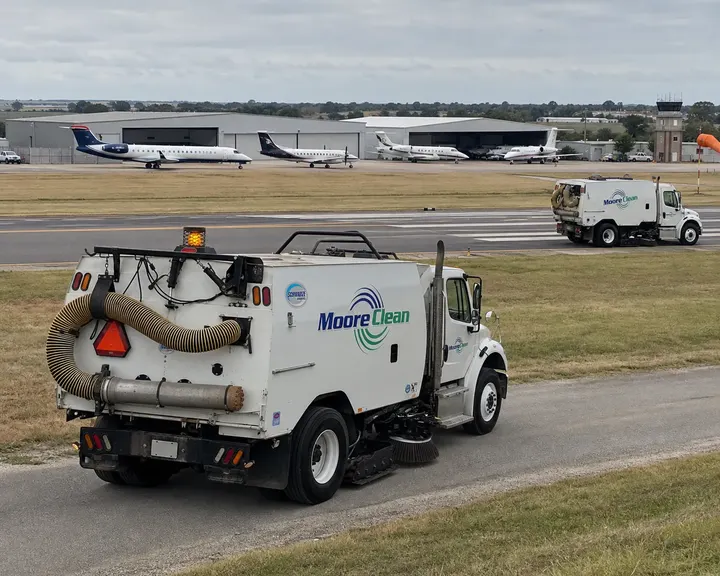
From the landside zones at Bush Intercontinental and Hobby through the corporate fields at Sugar Land Regional, David Wayne Hooks Memorial, and Conroe-North Houston Regional, plus the industrial airparks along the freight corridors, routes cover commercial, corporate, and general aviation pavement on scheduled visits. Post-storm sweeps clear silt and vegetation off aprons and access roads, and post-construction FOD sweeps clear new pavement before it returns to service.
Moore Clean | Houston & Surrounding Areas
911 Fisher St, Houston, TX 77018 · (346) 829-8111 · 24/7 Service available
Deep-clean option
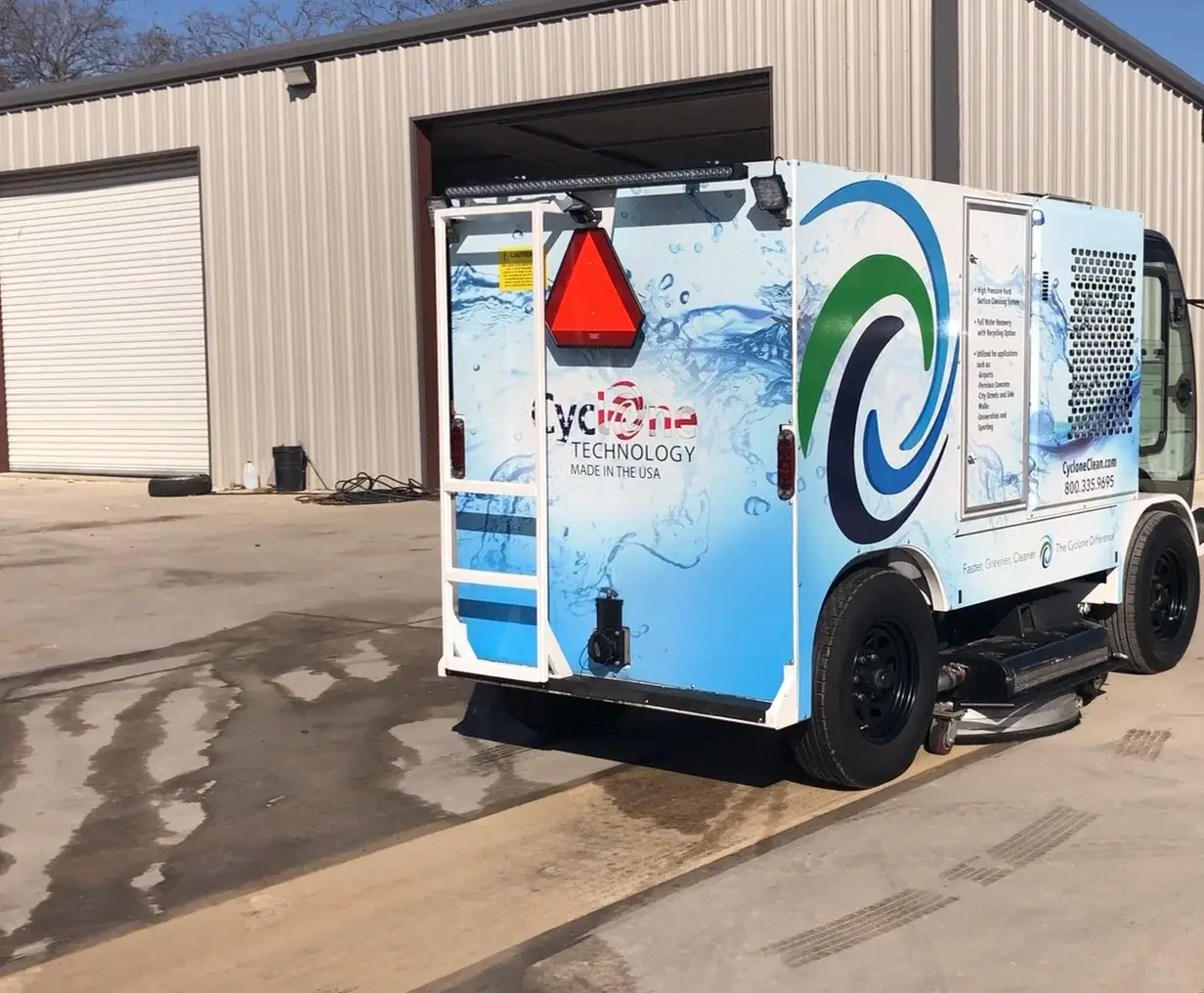
Special Projects: Cyclone deep-clean surface system
Equipment available for special projects: humidity leaves a slick film on covered curbfronts and garage ramps, on top of the usual gum and grease. For those areas we bring in a Cyclone Technology surface cleaner, rented per project. It cleans under a closed hood and takes its wash water back in, a method that fits EPA stormwater best practices, at up to 20,000 square feet an hour.
Get started
Get an airport sweeping quote for your facility in Houston and the Gulf Coast region
Provide the name of the field, the areas to be swept (apron, taxiway, landside, or construction), and the access and escort requirements. We will review the scope and respond with a proposal.
Get More Information
Select a service and fill out form
"*" indicates required fields
Questions
Houston airport sweeping FAQ
Do your crews work airside?
Yes. Insurance is carried at the limits airports require, crews are badged or escorted in accordance with the access rules, and all movements are coordinated with operations. Sweeping is planned for the windows operations provides, including overnight hours.
Which Houston-area airports do you serve?
We are available for the region’s commercial, corporate, and general aviation fields, from the landside and cargo zones at Bush Intercontinental and Hobby to the FBO ramps at Sugar Land Regional, David Wayne Hooks Memorial, and Conroe-North Houston Regional. Airports and airparks that are not named above should still contact us. The service area is broader than this list, and route schedules can be adapted.
Can you document sweeping for Part 139 inspections?
Yes. Every visit is recorded in a dated log with GPS tracking, suitable for the pavement maintenance file. If the FOD program at the airport calls for a particular format, send a sample and we will follow it as closely as possible.
When is airport sweeping scheduled?
Timing is set by operations. Cargo apron and ramp sweeping is typically performed overnight or between banks of activity, when pavement is available and escorts can be arranged. Roadways, garages, and employee and rental car lots may be swept in daytime where access permits, storm cleanup is scheduled as conditions require, and construction sweeps are matched to the turnover date of the contractor.
Parking Lot Sweeping · Street Sweeping · Construction Site Cleanup · Pressure Washing · Garage Sweeping
Porter Service · Window Cleaning · Graffiti Removal · Hauling Debris · Exterior Handyman · Bundled Services